
Land Grading Service Columbia SC
Proper slope and drainage, done right the first time for residential and commercial properties across Columbia and the Midlands.
What Is Land Grading?
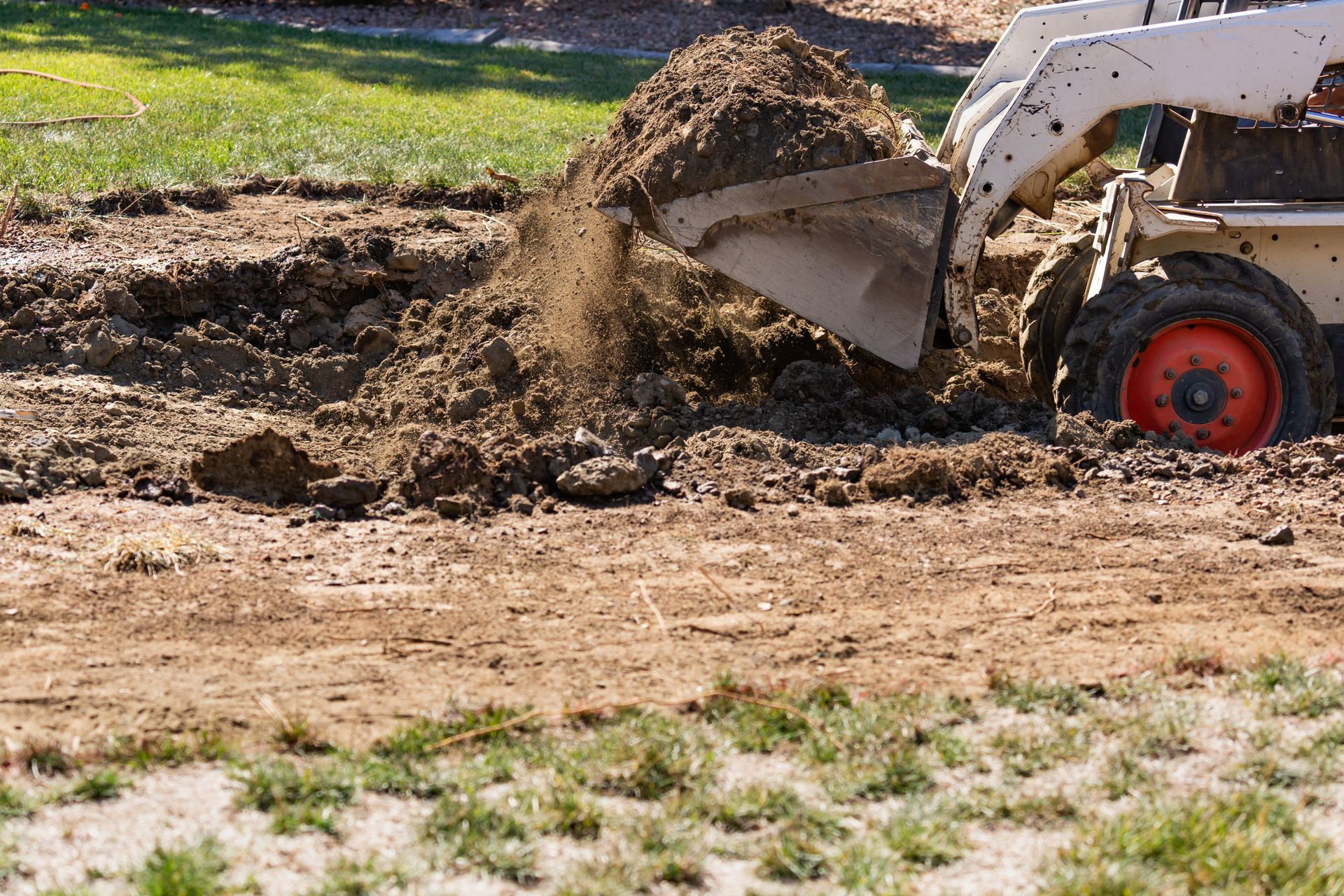
Land grading is the process of reshaping a property's surface so water drains away from structures rather than toward them. It creates a controlled slope that directs runoff away from foundations, driveways, and planted areas. Columbia, SC, homeowners typically need grading before new construction, after visible erosion, or whenever standing water keeps showing up after rain.
If you're dealing with drainage issues or planning a build in the Columbia area, Carolina Elite Construction can walk the site and tell you exactly what's needed.
Columbia, SC, property owners who schedule routine trimming protect both their trees and their property value. Staying ahead of overgrowth means fewer surprises after a storm and a yard that stays safe and attractive year-round.
What Happens When Grading Is Wrong
Foundation Water Infiltration
Columbia, SC, gets over 46 inches of rain per year. When a yard slopes toward a home instead of away from it, water channels straight against the foundation. Over time that means basement moisture intrusion, cracked slabs, and costly structural repairs that no one budgets for.
Erosion and Soil Loss
The Midlands' clay-heavy soils erode quickly when disturbed without proper slope control. Unchecked runoff strips away topsoil, exposes tree roots, and undermines hardscaping like driveways and walkways from underneath.
Standing Water and Pest Problems
Flat or bowl-shaped lots collect standing water after every rain. In South Carolina's climate, that's an ideal breeding ground for mosquitoes and mold. Saturated soil also weakens turf, kills plantings, and leaves your yard muddy and unusable for weeks at a stretch.
Structural Damage to Hardscaping
Driveways, patios, and sidewalks poured on ungraded ground shift, crack, and heave as the soil beneath them settles unevenly. Proper grading before any concrete pour is the single most important factor in how long that surface will last.
Our Grading Process, Step by Step
Before any equipment rolls in, we walk the property to evaluate existing drainage patterns, identify low spots and high points, and note any structures, utilities, or obstacles that affect the grading plan. We may also discuss any land clearing that needs to happen first. This step defines the scope and prevents surprises mid-job.
2. Elevation Planning
We map out the target slope, typically a minimum 2% grade away from all structures per standard drainage practice. On larger lots or commercial parcels, more detailed elevation planning accounts for multiple drainage zones and tie-in points to existing grade at the property edge.
3. Cut-and-Fill Earthwork
High areas are cut down, and the excavated material is moved to fill low spots, keeping the amount of material we need to import or haul away to a minimum. This balancing work is where the heavy equipment hours are concentrated.
4. Slope Establishment
Once the bulk earthwork is done, final blade passes establish the correct directional slope. Water should sheet away from foundations and hardscaping toward ditches, swales, or the street, never toward structures or neighboring properties.
5. Surface Preparation
The finished grade is smoothed and compacted as needed for whatever comes next — seeding, turfing, a concrete pour, or continued construction. We leave the site clean and ready so the next crew or phase can start without delays.
Get a Free Grading Estimate in Columbia SC
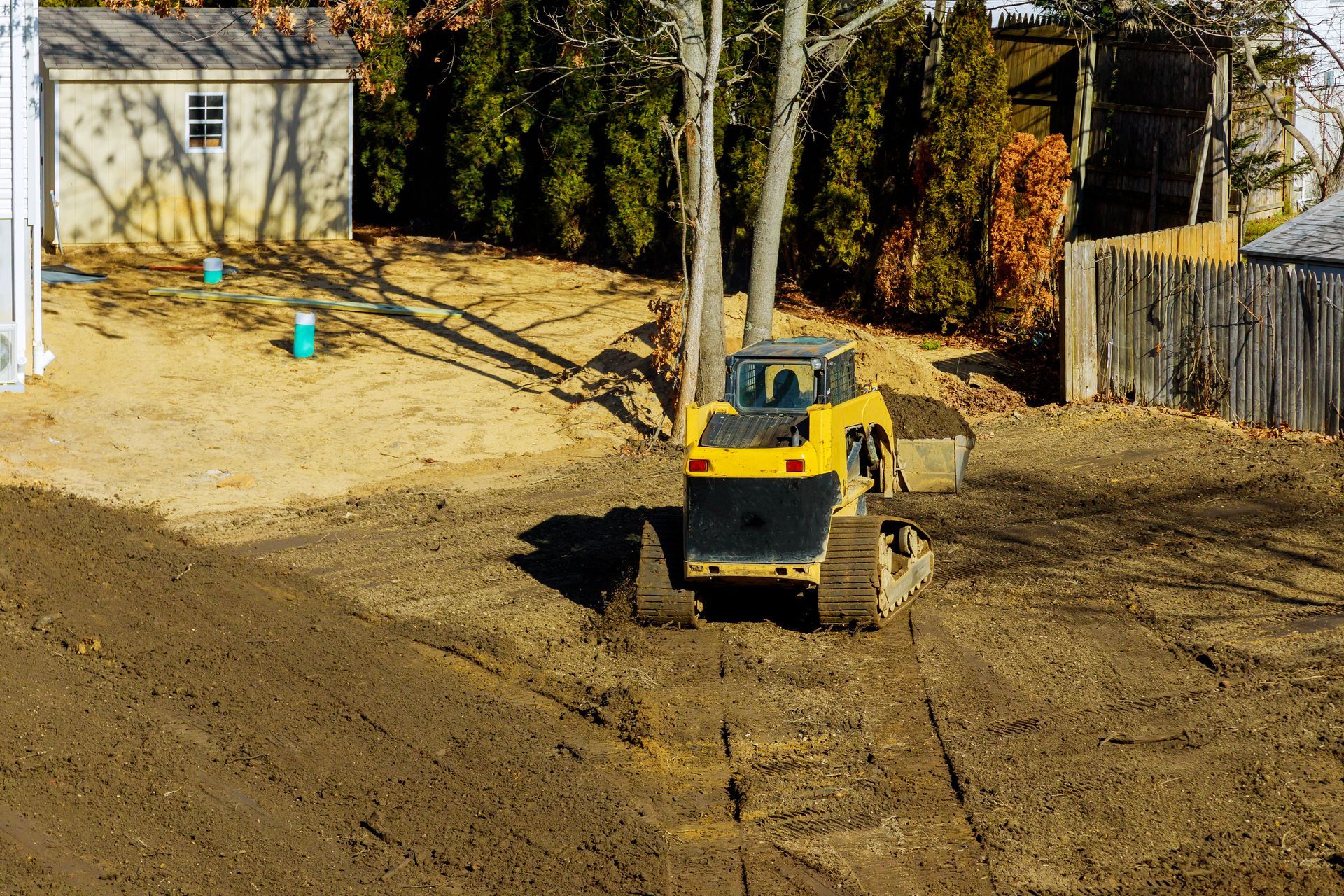
Proper grading protects your foundation, prevents erosion, and sets up every future project, be it concrete, landscaping, or construction for long-term success. Call or message us for a free on-site estimate with no obligation; we'll come to you and give you a straight answer.